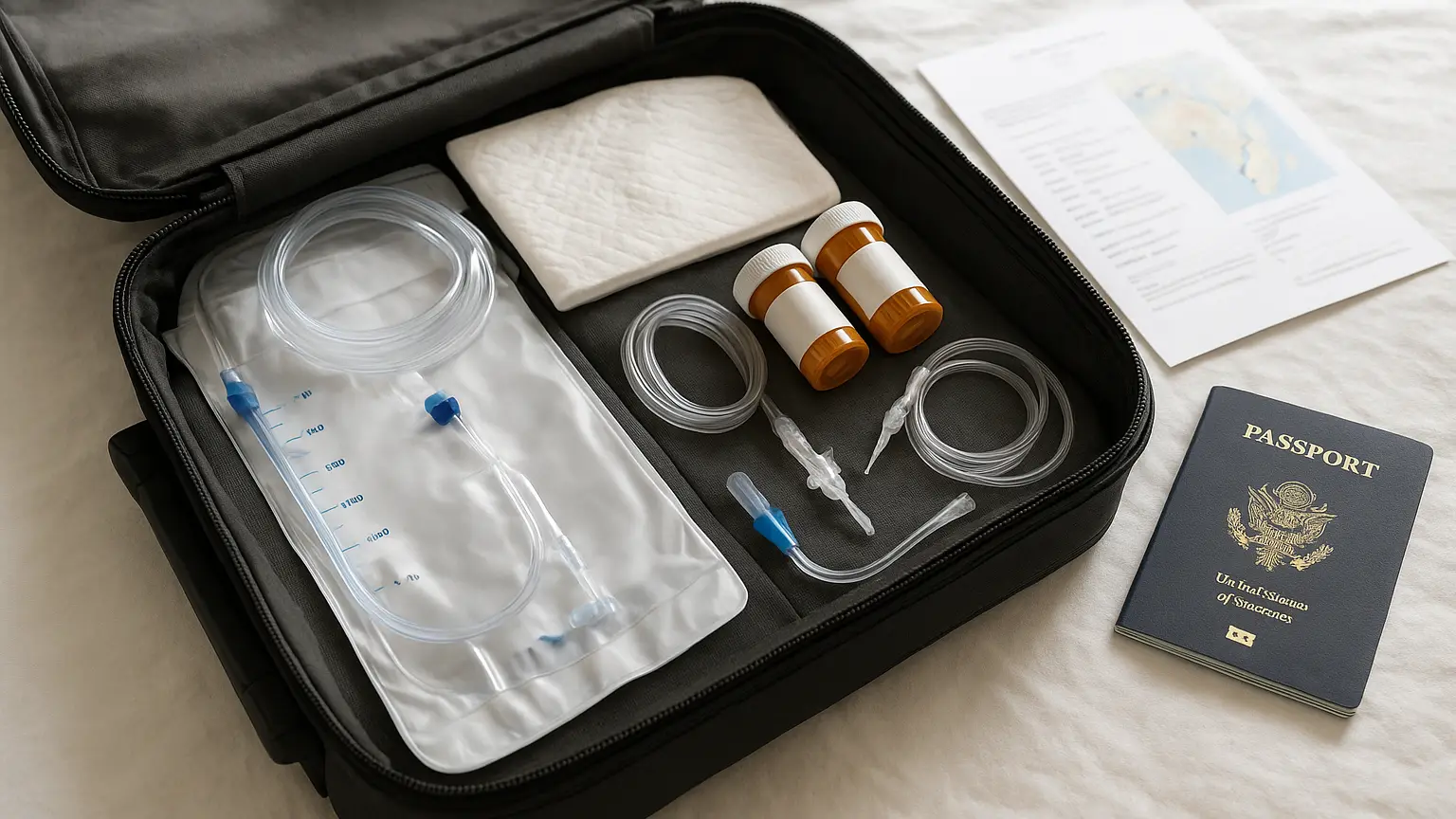
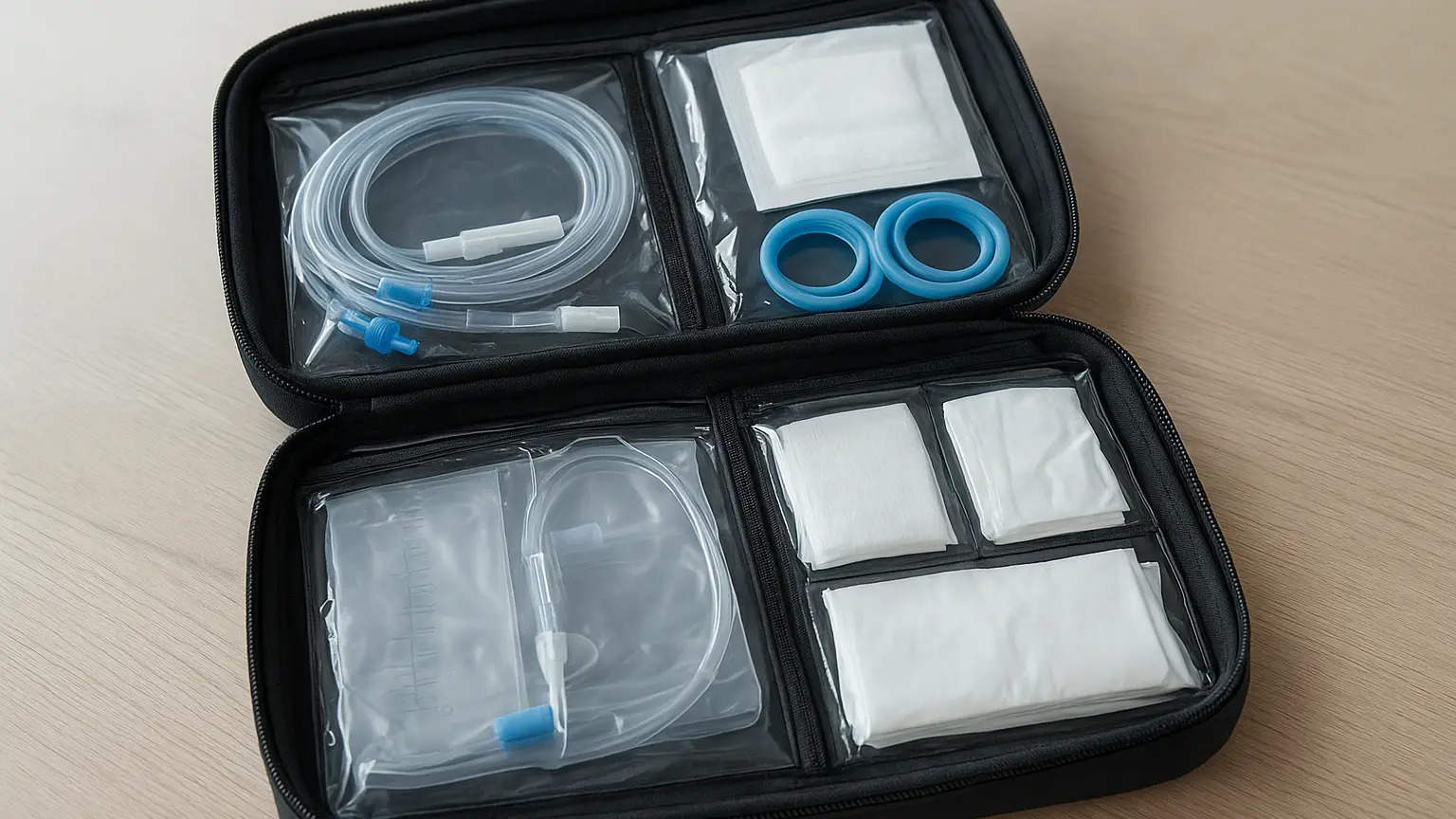
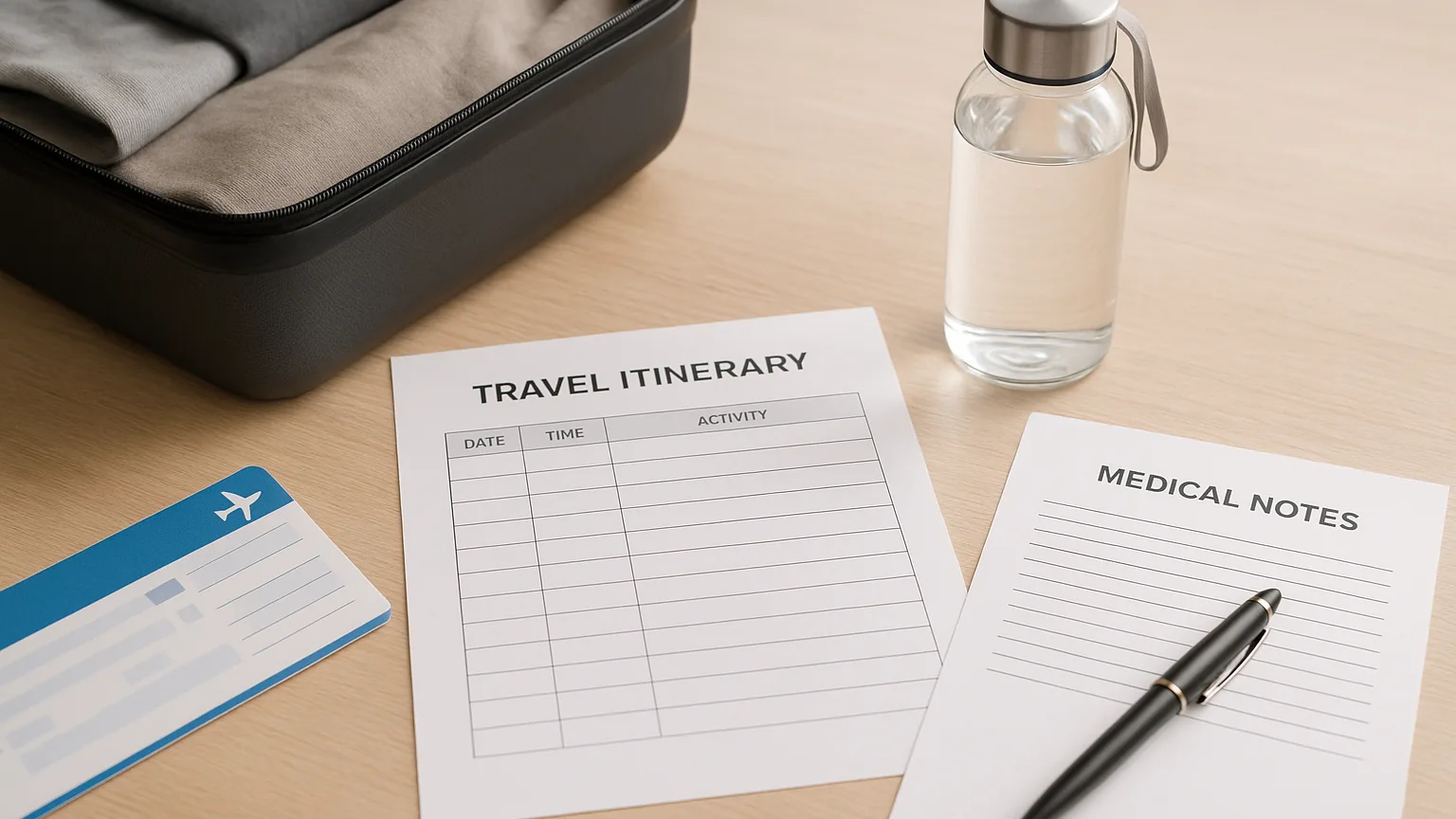
Practical guides for travelling with a condition that usually gets ignored in travel advice. Written for real itineraries, airports, border desks and the hours when nothing is open.
Plan the trip around the condition instead of cancelling it
Clear security and customs without the guesswork
Know where care is before you actually need it
Start with the overview if you are planning your first trip since a diagnosis or procedure. If you already have a system, jump straight to the part that fills the gap.
No. Drinking less concentrates urine, which irritates the bladder and tends to increase urgency rather than reduce it. The better approach is timing: drink normally earlier in the day, taper in the hours before boarding, then sip steadily in the air.
Yes. A medical device attached to your body does not have to be removed. Tell the officer before you step forward, and you can request a private screening room or a pat-down by an officer of your gender at any point without giving a reason.
Sterile water and saline in medically necessary quantities sit outside the standard liquid rules when declared, though they are usually screened separately. Keep them accessible rather than buried in your bag so they can be checked quickly.
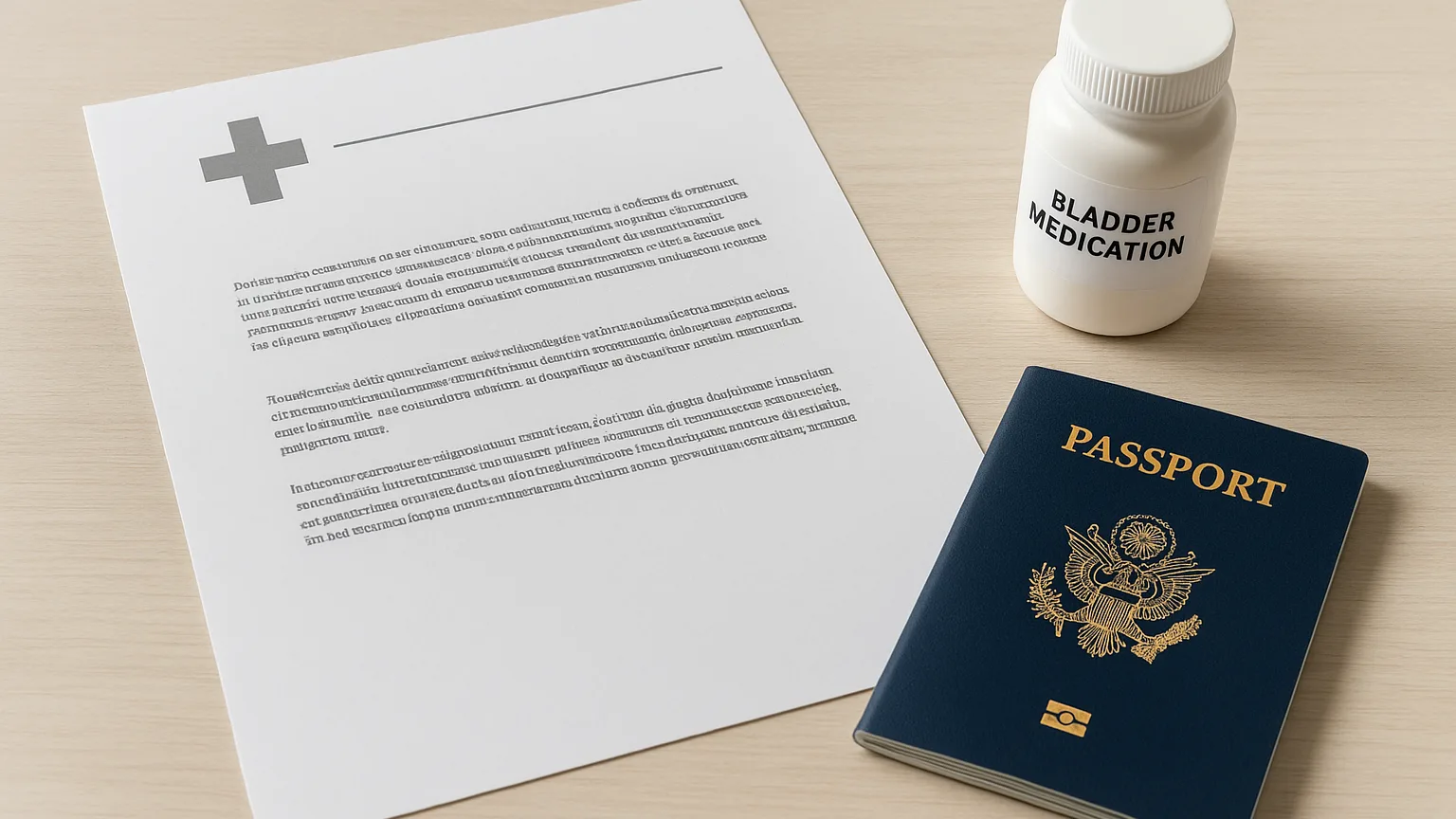
Not automatically. Each country applies its own drug schedules, quantity limits and documentation rules, and some medicines that are routine at home are controlled or banned elsewhere. Check the destination embassy's published guidance and carry a signed physician's letter.
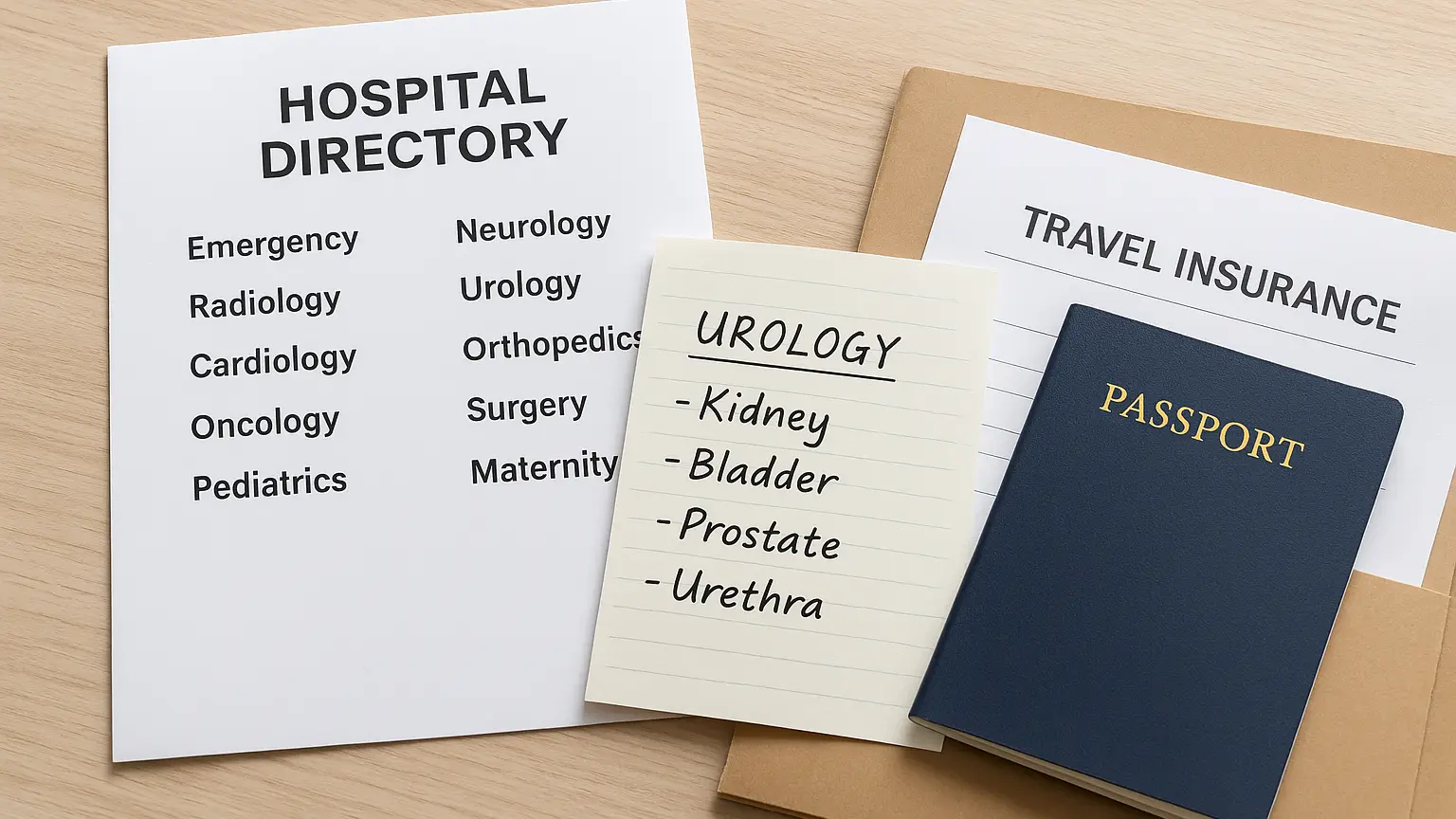
Identify the nearest hospital with the right specialist department for each place you are staying, save the address in the local language, record the local emergency number, confirm how your insurer pays, and carry a one-page medical summary translated into the local language.
No. These guides are general preparation advice for travellers. Anything clinical, including medication timing, dose changes and whether a trip is advisable at all, should be confirmed with the clinician who knows your history.
Preparation before departure, support during an assignment and aftercare on return, delivered by clinicians who understand how travel and deployment affect health.